Project Zomboid Armor Protection Tiers
Read the tooltip numbers before you decide which jacket survives a horde
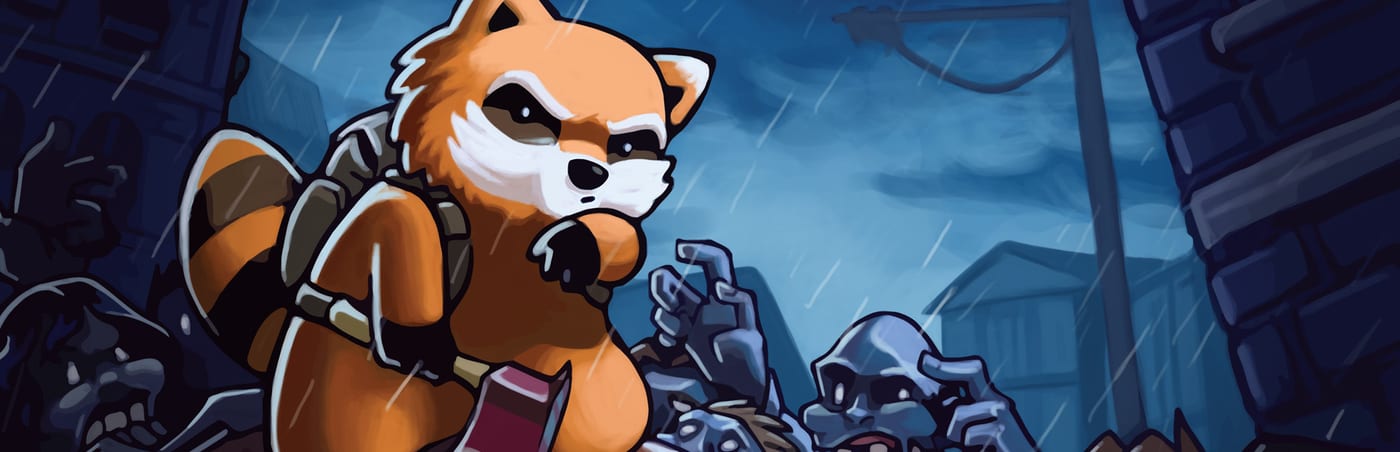
Armor is one of the few purchases in Project Zomboid where the tooltip decides the outcome, not the brand name. A green military jacket, a desert camo jacket, and a civilian bulletproof vest all look like protection on a looting run, and they behave very differently when a shambler puts a hand through your ribs. This page breaks down how Build 42 armour ratings work, what the numbers on the most common pieces actually say, and which armour you can forge yourself once the hardware aisles run dry.
Armor pairs with the rest of your kit. Clothing and insulation live in Clothing and Weather, the guns that need a vest in front of them live in Firearms, and the skill that repairs fabric sits at Tailoring.
How armour protection is read
Every armor item in Build 42 lists a set of protection values. The three that matter in a fight are scratch, bite, and bullet, and each one is a percentage of damage blocked rather than a flat number. A scratch value of 50 means half of the scratch damage never reaches you.
Two more columns decide whether a piece is worth wearing at all. Insulation tells you how well it holds heat, and the wind and water values decide whether a rainy night outside the fence costs you health. Armor with poor insulation can be worse than a thin jacket when the real threat is the cold rather than the walker.
Armor also lists a neck percentage for the throat, which is the weakest area on most pieces. A bite that lands on the neck ignores the chest rating, and this is why helmets and gorgets exist as separate finds.
The numbers that decide a fight
Scratch is the most common damage you will take, because most zombies claw before they bite. Bite is what happens when the zombie gets a hold. Bullet only matters if another survivor decides to shoot you, which is a different kind of problem and usually a sign that your base needs better diplomacy.
The tooltip values matter more than the product. Two items with the same name and different damage numbers exist in Build 42, and the desert camo military jacket is the classic example: it carries the same scratch and bite protection as its green sibling but noticeably worse insulation, wind resistance, and water resistance. Wearing it in a cold month costs you more than the identical-looking jacket with better thermal stats.
Mid-tier armour worth keeping
The Military Jacket in Desert Camo weighs 2, blocks 50 scratch and 30 bite damage, protects the neck at 50%, and carries insulation of 0.35, wind resistance of 0.1, and water resistance of 0.2. It also costs you movement: combat speed drops to 97% and run speed to 0.94, which is the first thing you feel when a horde is closing and you wanted to sprint away.
The Air Force Pilot Helmet is the head-slot upgrade that survives the rework. In Build 42 it blocks 80 scratch and 70 bite damage, down from the flat 100 and 100 of Build 41, so it no longer makes you immune to a bite. It weighs 1, carries insulation of 0.7, wind resistance of 0.7, and full water resistance, and it reduces foraging speed by 75%, which matters on a long search-and-gather run. Its comfort rating of 0.15 keeps it from being the most wearable thing in your pack.
Bulletproof vests and the tailoring exception
The Civilian Bulletproof Vest is the rare torso piece that answers bullets with 100 protection. Against bites it manages 30 and against scratches 55, with insulation of 0.6, wind resistance of 0.25, and a 0.25 discomfort penalty that shows up in your moodles. It weighs 5, covers the torso only, and there is one rule that catches people out: it cannot be repaired by Tailoring, so once it is damaged you replace it rather than patch it.
That exception is worth planning around. Cloth armour can be mended at a sewing bench with rags, thread, and needles, which is the cheap and renewable option covered in Tailoring. Vests are a loot-once find.
Forgeable armour
When the shopping is done, the forge becomes the armour source. Blacksmithing unlocks a metal line that includes body armour, a coat of plates, a metal helmet, a metal mask, a gorget, armoured gloves, and a codpiece, each with its own assembly steps so you build the pieces before you wear them. The full chain sits in Blacksmithing and Crafting, and it needs a working forge, fuel, and metal stock, which means it competes with vehicle repair for your scrap budget.
Forge armour trades weight and time for protection that does not degrade with wear. A patched vest eventually fails; a forged plate holds until a zombie breaks it.
Armour and encumbrance
Armour is a pack weight decision as much as a defence decision. Two kilograms of desert camo is a kilogram you cannot carry in Encumbrance, and encumbered players slow down, tire faster, and swing slower. The rule that holds up in practice: wear the best protection you can still move in, and keep the heavy plate in a bag for the sortie that needs it.
For the same reason, base defenders can afford heavier armour than a scout. A survivor standing behind a barricade does not need to sprint, and the same survivor hauling seed sacks across a field does. Split the load in Backpacks and Bags.
Layering for the weather
Build 42 separates protection from warmth, and most people over-invest in the first. A heavy armour piece with poor insulation keeps you alive in a fight and kills you in a frost. Check the insulation, wind, and water values before you take a piece off the corpse of someone who was colder than you, and pair armour with a proper base plan in Safehouse so the fight never happens in the open.
Multiplayer armour rules
Co-op groups tend to split armour by role without discussing it, and that is where a group ends up with four helmets and no trousers. Agree the split out loud: one person in the heaviest plate for crowd control, everyone else in light armour for running errands. PvP servers are a different story entirely, and the safety system there is covered in PvP Arenas and Tournaments.
Early Access expectations
Build 42 armour numbers have already changed once, when the pilot helmet lost its blanket immunity in the 42.0.0 rework, and The Indie Stone keeps tuning armour during Early Access. Read the tooltip in your own client rather than trusting any table, including this one, after a patch. The Build 42 Overview tracks the current branch.
Frequently Asked Questions
Quick answers to the most common questions.
What is the best armor in Project Zomboid Build 42?
There is no single best piece, because armour is per body part. Helmet for bites and scratches, torso for bullets and torso bites, gloves for hand injuries, and a vest that covers the throat if you can find one. Compare the tooltip numbers, not the item names.
Can you repair a bulletproof vest?
Not with Tailoring. The civilian bulletproof vest cannot be repaired that way, so treat it as a one-time find and replace it when it breaks. Cloth armour is the renewable option. See Tailoring.
Why is the desert camo military jacket worse than the green one?
They share the same scratch and bite protection, but the desert camo jacket has weaker insulation, wind resistance, and water resistance. It is the better pick in summer and the worse pick in winter.
Can I make armor in Build 42?
Yes. Blacksmithing unlocks forgeable body armour, coat of plates, metal helmet, metal mask, gorget, armoured gloves, and a codpiece, each with assembly steps. See Blacksmithing and Crafting.
Does armor slow me down?
Yes. Heavy pieces cost combat speed and run speed, and armour adds to your pack weight in Encumbrance. Wear the best protection you can still sprint in.