Project Zomboid Review
A balanced look at Build 42 Early Access in 2026-what delivers and what still needs time.
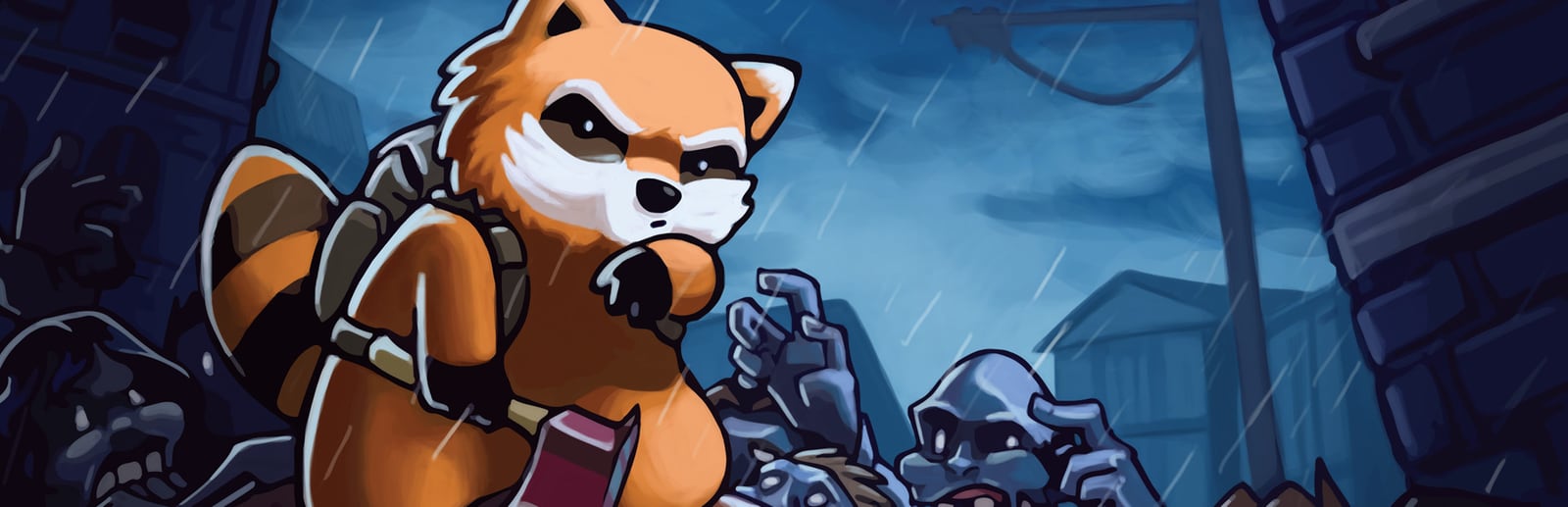
Project Zomboid asks a simple question with brutal answers: how long can you stay alive when society stops? The Indie Stone’s isometric zombie sandbox has remained in Steam and GOG Early Access since 2013, yet it still commands a dedicated audience in 2026 because no competitor matches the same slow-burn dread, systemic depth, and emergent storytelling. Build 42-the current development line-finally modernizes crafting, loot, and long-term simulation without turning Knox County into an arcade shooter.
This review reflects Build 42 on PC Early Access, including online co-op. It is not a scored hype piece; it is guidance for players wondering whether the game fits their patience, social setup, and tolerance for in-progress software.
What Project Zomboid gets right
Systems depth remains the headline. Hunger, thirst, temperature, injury types, infection, skill progression, vehicle maintenance, farming, trapping, and base engineering interlock. Deaths feel earned-you can usually trace them to a skipped barricade, empty water bottle, or greedy gunshot-not random dice rolls.
Atmosphere still lands. Quiet looting in suburban rain beats scripted jump scares. Helicopter passes, utility shutoffs, and winter cold push campaigns forward without hand-holding quest markers. The game trusts you to read wiki guides, Getting Started walkthroughs, and community maps.
Online co-op transforms logistics into social problem-solving. One friend hammers planks while another boils water and a third drives distraction-see Multiplayer Hub for hosting realities. Solo and co-op share rules; the tone shifts from lonely vigil to coordinated squad play.
Sandbox flexibility suits both hardcore purists and friends who want abundant loot for learning. Custom presets extend lifespan far beyond a scripted campaign.
Where Early Access still shows
Project Zomboid is not fully released. Build 42 stabilized many pain points-July 2026 patches improved containers and networking-but players should expect:
- Patch-day mod breakage and version mismatches in multiplayer
- Occasional animation or UI rough edges
- Balance passes that nudge loot, traits, and recipes without warning
- A learning cliff steep enough to kill uninformed beginners repeatedly
If you need polished onboarding or guaranteed 60 FPS in downtown hordes on low-end hardware, wait or adjust expectations. The Build 42 Overview page tracks branch maturity honestly.
Build 42 versus nostalgia
Veterans mourning Build 41 must accept rerolled muscle memory. Crafting UI, container loot, and animal systems change route planning. The payoff is a more cohesive late game for months-long saves-provided your group backs up servers before major updates.
New players should ignore forum wars and start with Beginner Builds plus First Week Survival. Build 42 is the intended entry point now.
Solo versus co-op recommendation
Solo suits methodical players who enjoy planning, note-taking, and permadeath stakes. Use First Week Checklist to reduce dumb early deaths.
Co-op suits groups with voice chat discipline and shared schedules. Public servers add politics-griefing, loot theft, wipe drama-documented in Servers and Co-op. Private friends-only worlds are the sweet spot for most buyers.
Performance and platform notes
PC remains the primary platform. Steam Deck play is viable with controller adjustments from Controller Layout, but dense urban fights still stress CPU simulation. Mod lists amplify load times.
There is no console release at review time; check official channels via Wiki Resources before assuming ports. PC and Steam Deck buyers should read System Requirements before blaming a “weak GPU” for a six-hour memory leak that 42.20.3 already addresses.
Content longevity
A single character can consume hundreds of hours if you chase self-sufficiency: farms, generators, vehicle fleets, remote cabins. Conversely, combat-focused groups may burn out after clearing major towns if they skip base projects from Base Building and Skills Hub progression.
The game rewards players who enjoy preparation loops more than constant action.
Who should buy
Buy if you want:
- Hardcore survival with fair systemic cause-and-effect
- Long co-op campaigns with friends who accept permadeath seasons
- Deep crafting and base building in a zombie apocalypse
Wait or skip if you want:
- Finished 1.0 polish and hand-holding tutorials
- Fast action combat without inventory management
- Stable modless multiplayer without patch maintenance
Verdict for 2026 Early Access
Project Zomboid in Build 42 is the strongest argument yet for The Indie Stone’s long roadmap-provided you treat Early Access literally. It delivers unmatched zombie survival simulation with co-op highs that stories years later. It also demands wiki reading, friend coordination, save backups, and patience through hotfix weeks.
For most interested Steam or GOG shoppers willing to learn, the game earns a recommendation-with eyes open. Start with our Guides Hub, plan traits in Character Build Planner, and verify patch notes on Updates Hub before declaring a month-long server commitment.
Frequently Asked Questions
Quick answers to the most common questions.
Is Project Zomboid worth buying in Early Access?
Yes, if you want deep survival simulation and accept patch friction. Skip if you need a finished, tutorial-heavy experience.
Is Build 42 better than Build 41?
For most new players, yes-more cohesive systems and ongoing support. Veterans face a relearning curve detailed in Build 42 Overview.
Does Project Zomboid have good co-op?
Private online co-op excels with communication. Public servers vary; read Servers and Co-op before joining random worlds.
How steep is the learning curve?
High without guides. Use Getting Started and Controls Hub to avoid preventable early deaths.
When will the game leave Early Access?
No confirmed 1.0 date from The Indie Stone. Build 42 moves toward completion but the store page still lists Early Access.