Getting Started in Project Zomboid
Day-zero checklist for Build 42 Early Access-solo or online co-op.
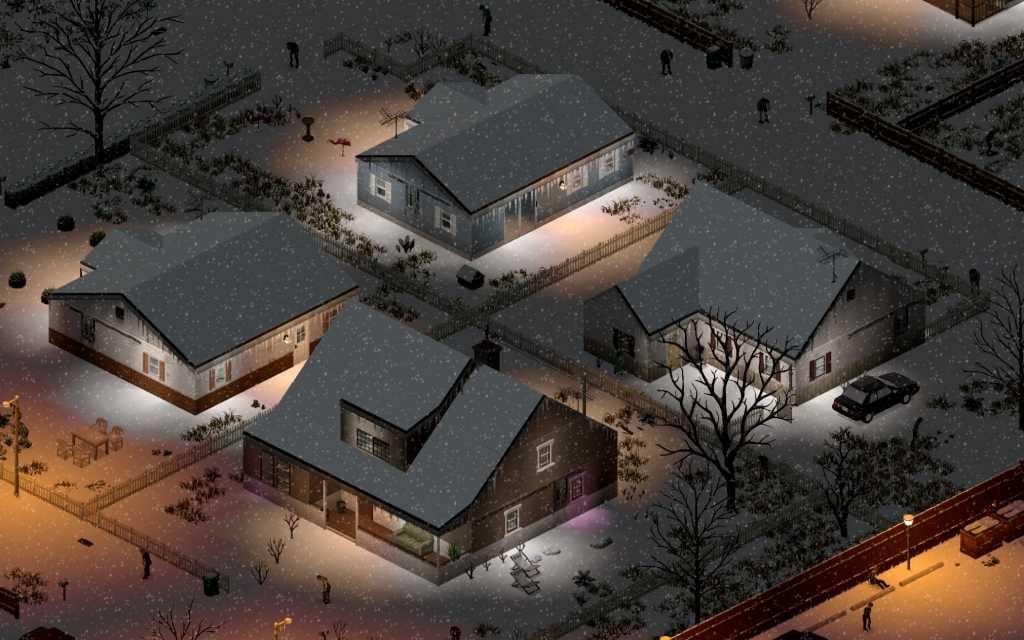
Project Zomboid drops you into Knox County with no tutorial hand-holding. Early Access Build 42 expects you to learn by failure, but a structured first day prevents most avoidable deaths: starvation behind a locked door, bleeding out on a sidewalk, or panic-sprinting into a fresh horde. This guide covers sandbox setup, character creation priorities, your first sixty minutes, and how online co-op changes the opening loop.
Choose sandbox settings honestly
Before spawning, set zombie population, loot abundance, and utilities shutoff to match your experience. First run recommendations: default or low population, normal loot, peak day for water shutoff no earlier than day 14 if you are learning. Build 42 adds systems faster than you can master them; shortening utility timers teaches crisis management but not fundamentals. Enable zombies respawn only if you want long-term pressure; many learning runs disable respawn until you can survive the first month.
Insane populations with scarce loot are valid-but they are not teaching modes. Note your settings so when you compare advice with friends in online co-op, you are solving the same problem.
Character creation without analysis paralysis
You do not need a perfect build on run one. Pick an occupation with a bag and a weapon or tool: Fire Officer, Park Ranger, or Security Guard are forgiving. Spend points on carry weight (Stout or Strong), Organized for container efficiency, and Brave or Desensitized if panic gets you killed. Avoid stacking harsh negatives like Smoker, Clumsy, and Slow Reader together until you understand their cost.
For curated point math, see Beginner Builds and Occupations. Traits rankings live in Traits Tier List.
Spawn town and first map read
Muldraugh and Riverside are common first picks. Muldraugh offers dense residential loot and clear routes to warehouses; Riverside splits loot across larger geography but has strong house options near the river. Rosewood and West Point work well once you know combat spacing. Whichever you choose, identify a short-term safe house within walking distance of food, water, and a hardware store.
Open the map (default key varies by binding) and mark mentally: nearest gas station, grocery, medical clinic, and a building with upstairs access. Upstairs beats ground floor-break the stairwell and zombies lose pathing until they pile enough to climb.
First hour loot priorities
Move quietly. Jogging draws idle zombies; sprinting is for emergencies. Your opening pickups, in rough order:
- Bag - if your occupation did not provide a good one, a school bag or duffel is priority one.
- Weapon - baseball bat, crowbar, or hand axe; avoid knives early unless you know knife mechanics.
- Water - bottles or a cooking pot; drink from sinks while utilities run.
- Food - non-perishable first; perishable only if you will eat it today.
- Bandages and disinfectant - scratches kill through infection if ignored.
- Sheet rope and hammer - sheet rope from ripping curtains; hammer for barricading.
Skip television and junk furniture until you have basics. Every minute before nightfall should improve shelter or supplies.
Claim a safe house correctly
Enter a residential building, close doors behind you, and clear room by room. Shove (right-click or bound key) to create space; stomp downed zombies. When the floor is clear, choose a bedroom or hallway choke point. Barricade windows on the ground floor; leave one exit unbarricaded until you have sheet rope from an upper window for emergency escape.
Set this building as your safe house through the world map context menu if your sandbox allows migration. In Build 42, familiar UI paths may differ slightly-look for shelter or safe-house options after clearing interior zombies.
Food, water, and sleep rhythm
Eat before starving; drink before thirsty. Both reduce stamina recovery and mood, which affects combat. Sleep in a safe, barricaded room when exhausted-fighting while tired raises panic and slows swings. While municipal water still runs, fill every bottle, pot, and bathtub. Water and Power Shutoff explains why this matters before day fourteen.
First night rules
Night is darker and moodier, not automatically deadlier. Turn off lights visible from outside or close curtains. Avoid unnecessary noise: running generators, gunfire, and car alarms pull zombies. If you must loot at night, use a flashlight sparingly; its beam travels farther than you think.
Use the first night to organize inventory, repair clothing with thread if you have it, and plan tomorrow’s route to a hardware or gun store. Do not treat night one as mandatory loot hours-sleep if tired.
Combat minimum before leaving town
You will fight before you feel ready. Learn the shove-stomp loop on stragglers: shove to knock down, stomp to finish without weapon durability loss. Back through doorways one at a time. Never fight more than two standing zombies in the open without a clear escape vector. Full technique is in Combat Basics.
Online co-op opening adjustments
In online co-op, stick together until everyone has a bag and weapon. Splitting immediately doubles noise and halves loot safety. Assign roles loosely: one person clears, one loots containers, one watches the door. Share food and water early-individual hoarding kills groups when one player hits thirsty while carrying canned goods.
Agree on a main base name or map marker. Respawn rules depend on server settings; confirm whether death means a new character far away or a nearby respawn.
What comes after day one
Follow First Week Survival for a day-by-day plan through utility transitions and weather. Watch for the Helicopter Event once you loot outdoor areas regularly. Adjust your build after your first death using Beginner Builds as a template.
Early Access means systems evolve-verify crafting recipes after patches. Survival is learnable; the first day is simply the steepest hour.
Frequently Asked Questions
Quick answers to the most common questions.
What occupation is best for a first Build 42 run?
Fire Officer, Park Ranger, or Security Guard offer weapons or tools plus practical skills. See Beginner Builds for full point layouts.
Should I loot at night on day one?
Only if rested and nearby. Prioritize securing a barricaded safe house and filling water containers while utilities still work-details in Water and Power Shutoff.
How does co-op change the first hour?
Stay together, share food and water, and assign door watch during looting. One player clearing while others grab items is faster and safer than splitting across the neighborhood.
What should I do after the first day?
Follow First Week Survival for structured goals through day seven, including combat practice from Combat Basics.
Does Build 42 change the starting experience?
Yes-crafting, UI, and some spawn tables differ from Build 41. Treat guides as direction and confirm key recipes in-game after major Early Access patches.