Project Zomboid Multiplayer
Online co-op survival in Build 42 Early Access-hosting, roles, and long-run coordination.
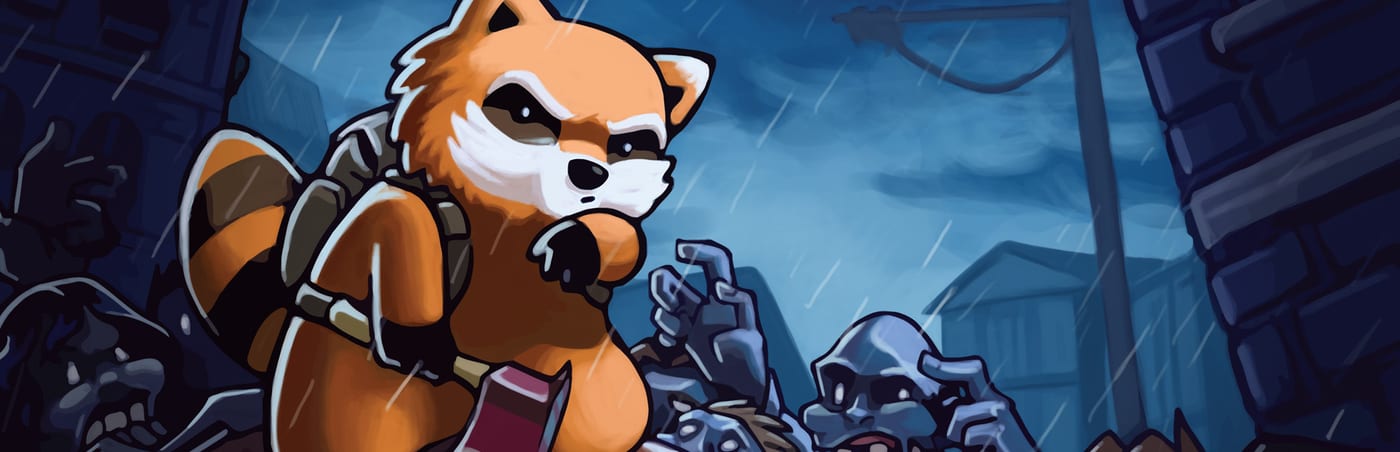
Project Zomboid multiplayer turns Knox County into a shared logistics puzzle. One player barricades windows while another loots canned food three blocks away. A third watches the tree line for wanderers drawn by helicopter noise. The game remains in Early Access on Steam and GOG. Build 42.20.3 (17 August 2026) is the current stable line after the July 42.20.0 promotion moved online multiplayer onto the default Early Access client alongside crafting, animals, and map work. The core promise holds: same sandbox rules, same permadeath tension, amplified by human coordination.
This hub covers how online co-op works in the current branch, what to expect from public servers versus private hosts, and how group survival differs from solo runs. Local split-screen is not supported; multiplayer means networked co-op on PC.
How online co-op works
Players join a hosted world with synchronized time, weather, and zombie distribution. Character progression is per-player-skills and inventory stay individual unless you deliberately drop items for trade. Death is usually permanent per server rules; always read host settings before investing forty hours.
Sandbox options apply globally: loot abundance, zombie speed, water shutoff timing, and PVP toggles. Groups should pick settings together before rolling characters. A mismatch-one player expecting rare loot, another hardcore respawn off-ends friendships faster than a Louisville horde.
Featured multiplayer guides
Servers and Co-op walks through finding communities, hosting with friends, port forwarding basics, mod compatibility, and backup habits for long Build 42 campaigns.
Sandbox settings explains presets versus custom rules-zombie population, loot rarity, shutoff timers, infection toggles, and Build 42 animal options-so the whole group agrees before day one. For Apocalypse, Outbreak, Rising, and Extinction preset context, see Game Modes.
Multiplayer Mods covers the official mod manager, Workshop load order, Build 42 migration checks, and host etiquette when patch weeks break compatibility lists.
Dedicated Servers is the hosting chapter for SteamCMD, servertest.ini, ports, and the 42.20.3 254-player plus admin-join-when-full notes-use it when the world should keep simulating after everyone logs off.
Roles that actually matter
Successful groups informalize roles instead of rigid classes:
- Builder: carpentry, barricades, rain collectors, generator wiring once power fails.
- Scrounger: route planning on the Map hub, vehicle recovery, hardware store loops.
- Medic: bandage crafting, fracture care, sick room isolation.
- Point: doorway control using melee spacing from Combat Basics.
Occupations from Occupations reinforce roles but do not replace communication. Two Fire Officers without a carpenter still lack sheet rope exits.
Shared base doctrine
Agree on a main base within the first in-game week. Criteria: two stories, multiple exits, nearby water source, defensible approach paths, and parking for at least one vehicle. Mark it on the map with a consistent icon.
Establish ground-floor staging crates near entrances for fast loot dumps-critical for controller players and during night returns. Secondary cache buildings spread risk if hordes migrate.
Read Base Building for barricade counts, escape rope placement, and farm expansion timing once the group stabilizes food.
Communication during world events
Timed events punish silent solo habits. During Helicopter Event passes, call out movement intentions before sprinting outdoors. When Water and Power Shutoff approaches, confirm who owns rain collector construction and who stockpiles gas for generators.
Push-to-talk reduces accidental noise in VOIP; typed chat is too slow for bite emergencies.
Build 42 stability and patch etiquette
Early Access updates can desync mod lists or require fresh worlds. Groups should:
- Pin game version and mod workshop IDs in a shared document.
- Backup server saves before major patches-see Build 42 Overview for release notes context.
- Schedule wipe/restart votes instead of surprise host migrations.
The July 2026 Build 42.20 line focused on container UX and bug fixes. 42.20.1 (5 August 2026) fixed high-pop chunk-unloading lag, a memory leak, vanishing vehicles after disconnects, and Multiplayer crashes on some language menus. 42.20.2 the same day finished the mod % → %% text fix. 42.20.3 (17 August) fixed Loading Map hangs, more memory leaks, lighting errors, and raised server player handling to 254 with admin join-when-full. Still verify your host updates before weekly play sessions and re-check mod hashes after every drop.
Solo skills that transfer-and traps that do not
Solo players micromanage every task; co-op enables specialization but introduces dependency risk. If the builder dies, can others barricade? Cross-train secondary skills during calm days.
Do not assume teammates watch your back automatically-establish rear guard on every entry. Door closing discipline prevents silent tail-ins that wipe groups.
Tools for group planning
Use Character Build Planner before session zero to diversify occupations and traits. Run First Week Checklist as a shared objective board for days one through seven.
Fair play and server rules
Public servers may ban loot theft, PVP, or base griefing. Private friends-only worlds often relax rules but need conflict resolution-who owns vehicles, how loot splits, whether friendly fire is funny once.
Project Zomboid has no official MMO moderation; reputation and Discord rules substitute for report buttons.
Recommended reading order
- Servers and Co-op - join or host
- Dedicated Servers - persistent boxes, INI keys, and 42.20.3 caps
- Multiplayer Mods - Workshop and load order
- Getting Started - shared day-zero routine
- First Week Survival - group timeline
- Early Loot Priorities - split routes
- Build 42 Overview - patch expectations
Return here when The Indie Stone ships multiplayer-facing patch notes during Early Access.
Frequently Asked Questions
Quick answers to the most common questions.
Does Project Zomboid have online co-op?
Yes. Online multiplayer co-op is supported on PC through hosted worlds. Local split-screen is not available.
Is multiplayer stable in Build 42 Early Access?
Playable for most groups with matched versions and minimal mods. Expect occasional desync or patch-day restarts-backup saves and read Build 42 Overview.
Can I play co-op with strangers?
Yes, via public servers listed in the browser. Read server rules first; griefing policies vary by community.
Do sandbox settings affect all players?
Yes. Loot rates, zombie speed, and shutoff timers are global. Agree on settings before creating characters.
What should a co-op group plan before day one?
Sandbox presets, spawn town, voice chat, and role split. Use Character Build Planner to avoid duplicate occupations.