Project Zomboid Blacksmithing and Crafting in Build 42
From primitive forges to nails, tools, and self-sufficient workshops after town loot thins.
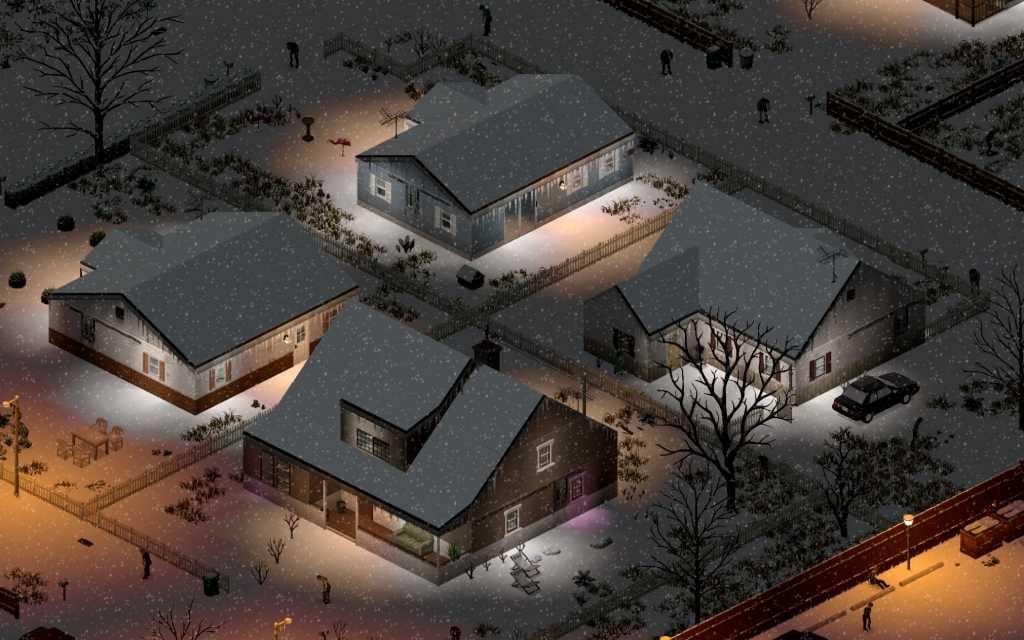
Build 42’s crafting overhaul is the reason long survivors stop treating Knox County as an infinite hardware store. Blacksmithing, pottery, masonry, carving, knapping, and searchable multi-input recipes turn scrap metal, clay, stone, and charcoal into tools you used to only find on shelves. The unified crafting UI lets you search by input or output and choose ingredients-learn that interface early or you will stare at a forge wondering why nails will not craft.
This guide focuses on practical Build 42 Early Access workshop loops: how to start a primitive forge, which skills gate common outputs, how welding and vehicle scrap feed metal supplies, and how to schedule crafting around safehouse power and noise. Pair with Skills and XP for book timing and Carpentry for the wooden structures that hold your workshop together.
What changed in the crafting pillar
Older Build 41 muscle memory assumed many metal parts were loot-only forever. Build 42 expands fabrication so multi-month bases can replace nails, basic tools, and construction pieces after commercial loot dries up. Recipes still move between patches-always re-open crafting search after a major Steam update-but the philosophy holds: late-game self-sufficiency is intentional.
July 2026’s Build 42.20 stable push packaged years of crafting, animals, map, and multiplayer work for the default Early Access branch. Treat forge balance numbers as living data; treat the need for a workshop as permanent.
Crafting UI literacy
Before grinding XP:
- Search recipes by the item you want or the scrap you are trying to spend.
- Select specific inputs when multiple metals or woods qualify.
- Craft in batches when the UI allows-idle forge time is still zombie time nearby.
- Use right-click shortcuts only when you already understand the recipe requirements.
Bookmark a mental list: hammer, tongs, bellows, charcoal, anvil progression, and stone blocks. Missing one item blocks ten minutes of inventory panic.
Starting blacksmithing without a Louisville mall
Early forge work often begins with stones, charcoal, and scavenged metal rather than a perfect industrial bay. Typical progression (verify exact level gates in your client):
- Gather stone and basic tools from rural and suburban loot routes.
- Build a primitive forge setup away from the bedroom wall-heat and noise belong in a shed or fenced yard.
- Unlock or craft entry blacksmith tools (punches, tongs, hammer heads). Balance patches have lowered some early tool level gates-good news for players who only reached skill level one.
- Produce nails and simple metal pieces to feed carpentry and base expansion when boxes of nails disappear.
- Graduate toward advanced forges, bellows, and anvils as leather, charcoal, and stone supplies stabilize.
Occupation note: Metalworker / blacksmith-leaning jobs and traits like Tinkerer or Artisan (when present in your build) reduce friction. Simulate point spends in the Character Build Planner.
Pottery, masonry, carving, and knapping
Blacksmithing is the headline, not the whole workshop. Pottery and clay products support containers and construction aesthetics; masonry enables stone walls and heavier fortifications; carving and knapping cover primitive and intermediate tool paths when steel is scarce. Think in stations, not one skill bar:
- Wood shop: saws, planks, furniture-Carpentry.
- Fire and metal: forge, charcoal, scrap.
- Earth and stone: clay, stone blocks, masonry recipes.
- Hide and fiber: leather loops from Hunting and Tracking and animal care.
A base that only levels carpentry will hit a soft ceiling when Build 42 recipes demand mixed materials.
Fuel, charcoal, and generator politics
Forges need fuel discipline. Charcoal production, wood cutting, and safe burn locations interact with fire risk and zombie attraction. Do not place an advanced forge against the only exit hallway. Coordinate with Generators so electrical workbenches and lighting do not fight your fuel budget during winter crafting marathons.
After municipal power dies, workshop hours should cluster in daylight when you can also haul scrap. Night forge sessions without perimeter security are how workshop characters die holding tongs.
Scrap supply: cars, welding, and dumps
Vehicles are metal mines. Dismantling wrecks feeds bars, sheets, and scrap that forges reform. Vehicles and Mechanics skill keeps your haul truck alive while you strip a parking lot. Welding remains relevant for cutting and joining; blacksmithing reforms metal into tools and construction pieces. Plan scrap runs like food runs-dedicated loot routes to junkyards and car parks, not random highway stops.
XP and books
Read the matching blacksmithing / metal / crafting books for your level band before mass-producing nails. Television XP still helps before Water and Power Shutoff. Avoid the classic waste pattern: craft two hundred items at the wrong book tier, then find the multiplier magazine in a school locker the next day.
Co-op workshop roles
Assign a smith, a hauler, and a guard. The smith should not also be the only fighter clearing Louisville for steel. Shared storage labels matter: “ore/scrap,” “finished nails,” “forge tools only.” Public servers may nerf or buff crafting rates-read Servers and Co-op settings before promising the group infinite nail factories.
Common blockers and fixes
- Recipe missing: wrong skill level, unread magazine, or patch rename-search both input and output names.
- Forge “not working”: missing bellows, fuel, or incorrect station tier.
- No metal: you are still treating cars as transport only-strip wrecks.
- Base fire: forge too close to curtains and piled corpses.
- Noise complaints in co-op: move the workshop to a secondary building.
Recommended crafting timeline
- Week one: loot hammers, nails, and books; ignore advanced forges.
- Weeks two to four: primitive metal work feeding barricades and rain collectors.
- Month two: dedicated workshop room, charcoal routine, scrap parking-lot route.
- Deep campaign: pottery/masonry walls, tool replacement, leather-fed advanced stations.
Blacksmithing will not win a day-one fistfight. It wins the quiet month when every hardware aisle is empty and your Base Hub still needs nails. Learn the UI, protect the forge, and treat scrap like groceries.
Frequently Asked Questions
Quick answers to the most common questions.
When should I start blacksmithing in Build 42?
After basic shelter and food are stable-usually past the first week. Early days still favor looted nails and tools; forges shine when commercial metal thins.
Can blacksmithing replace looting nails forever?
It can cover a large share of late-game fasteners and tools, but you still need fuel, scrap, and skill investment. Loot remains faster early on.
How do cars help crafting?
Wrecks provide metal bars, sheets, and scrap for forge inputs. Keep a working haul vehicle via Vehicles and Mechanics.
Is welding the same as blacksmithing?
Welding cuts and joins; blacksmithing reforms metal at forges. Most workshops eventually use both-see the dedicated Welding guide for torch leveling and the forge sections below for anvil work.
Did Build 42.20 change crafting?
Build 42.20 packaged the broader crafting, animal, and map overhaul onto stable Early Access. Recipe level gates still shift with hotfixes-verify in-game after patches.