Project Zomboid Choosing a Safehouse in Build 42
Location, layout, and fortification for long-term Early Access survival
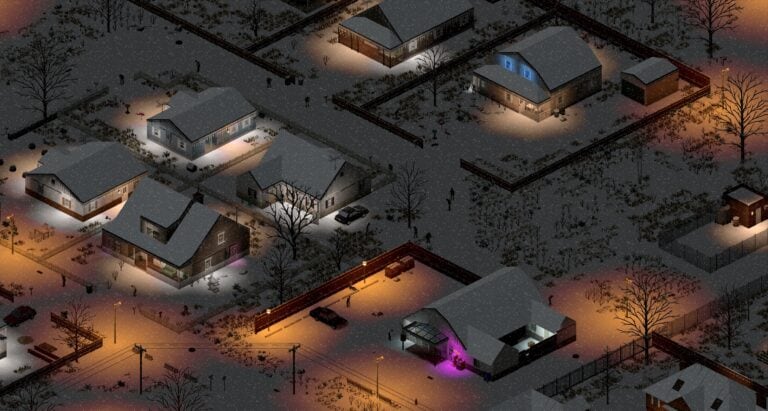
The house you pick on day three is the house you defend on day three hundred-if you chose wisely. In Project Zomboid Build 42 Early Access, safehouse selection blends map knowledge, carpentry planning, and brutal honesty about zombie migration. Pretty lakeside windows mean nothing when a helicopter event fills your driveway. This guide walks through evaluating buildings, fortifying without trapping yourself, and knowing when to walk away from sunk barricade costs.
Safehouse versus temporary shelter
A temporary shelter is any cleared floor where you sleep between loot runs: minimal barricades, no generator, food in a bag. A safehouse is a long-term project with staged defenses, storage zones, water plan, and likely power after shutoff. Confusing the two wastes nails on a spawn-town apartment you abandon when gas routes get too long.
Use first week priorities for temporary rules. Commit to safehouse criteria only after you scout neighborhoods from starting locations and understand town pressure in Knox County towns.
Location checklist
Score candidate buildings before carrying a single plank inside:
- Approach lanes - Can zombies see you from the highway? Corner lots with two exposed roads need extra fence work.
- Neighbor density - Adjacent houses spawn noise when other players or events fire weapons nearby.
- Resource radius - Hardware, gas, and medical within one in-game day of travel on foot or short drive.
- Terrain - Elevation and fences slow crowds; flat open lawns do not.
- Farm potential - Build 42 bases with farming and animals need yard space or nearby fields.
Cross-reference loot routes you already run. Your safehouse should sit near those loops, not across the county from them.
Building types compared
Suburban two-story homes offer bedrooms upstairs, kitchen water, and garage storage. Ideal for small groups. Watch stair chokepoints-never barricade both stairs without rope escape.
Warehouses and storage units provide open floor plans for crates and vehicles but need partition walls for sleep safety. Excellent near Muldraugh industrial edges.
Apartments and motels give quick barricade wins with hallway chokepoints. Fire spread and shared walls punish careless cooking.
Rural farmhouses excel for quiet and animal pens. Medical and hardware trips take longer-budget vehicle skills from vehicles and mechanics.
Exit strategy and airlocks
Every safehouse needs at least two exit concepts: a primary door airlock and an emergency path (sheet rope, rear window, secondary door). An airlock is a small enclosed porch where outer and inner doors never open to zombies simultaneously.
Barricading every window on floor one without testing upper-floor rope landings kills experienced players. Hardware steps live on How to Barricade Windows. Clear shrub zombies under rope targets before night one upstairs.
Fortification order
Do not max walls before basic life support:
- Doors and ground-floor windows facing approach roads.
- Rain barrels and water storage before water shutoff.
- Sleep room inner door reinforced last on that floor.
- Outer fence if materials allow-zombies path around long fences better than short barricades alone.
- Generator housing after reading generators and power-fuel and fumes need separation from beds.
Material runs should follow hardware sections of loot routes. Level carpentry with useful structures-rain collectors, stairs, partitions-not spammed useless walls.
Room zoning inside
Organize even before you have crates:
- Sleep - quietest interior room, no generator.
- Medical - bandages accessible without crossing outdoor exposure.
- Kitchen and food - near fridge until power dies, then shift dry goods.
- Crafting - tools and nails centrally located.
- Vehicle / outdoor - engines and metal stock away from sleeping walls.
Co-op bases label zones verbally or with signs to stop teammates from loot-dumping on beds.
Noise, meta events, and migration
Helicopters, gunshots, and alarm cars redistribute zombies toward noise. Safehouses on main roads inherit migrations from events you never triggered. After loud events, assume your front lawn is hotter for several days-delay supply runs or exit from the rear.
Online servers amplify noise. Pick safehouses set back from popular player trails when possible.
When to abandon a safehouse
Sunk cost kills runs. Leave when:
- Hordes permanently camp your only driveway.
- Fire destroyed upper floor access.
- Loot routes now require Louisville-grade risk weekly.
- Co-op team outgrew floor space and PvP-friendly rules forbid expansion.
Migrate with a vehicle convoy if possible; walk-out relocations need med stock from early loot priorities.
Pairing safehouse with build and traits
Beginner builds with Claustrophobia suffer in tight apartment airlocks-pick wider layouts. Burglar professions benefit from starting in suburban homes with less initial barricade need. Use the character planner before rolling traits that conflict with your intended base type.
Video walkthrough note
The embedded guide demonstrates practical barricade flow and room choice in Build 42 Early Access. Watch for airlock sequencing and stair discipline, then adapt layouts to your map tile-not every building matches the video lot-for-lot.
Early Access reminder
Project Zomboid is still in Early Access. Barricade HP, zombie pathing, and fire rules evolve. Re-test escape routes after major Build 42 patches before trusting old safehouse templates.
Frequently Asked Questions
Quick answers to the most common questions.
What makes a good safehouse location in Build 42?
Low traffic approach roads, nearby hardware and water sources, yard or fence potential, and two viable exits. Avoid highway-front properties unless you invest heavily in outer walls.
Should I barricade every window immediately?
Prioritize ground-floor windows facing approach lanes first. Leave a controlled emergency exit and test sheet rope landings before sealing upper openings.
Are warehouses better than houses?
Warehouses offer space and vehicle access but need interior partitions for safe sleep. Houses barricade faster for solo players-pick based on loot routes and group size.
When is it too late to move base?
Relocate before winter and power shutoff strain logistics. If hordes permanently control your street, move early-even if you lose some barricade investment.