First Week Survival in Project Zomboid
A practical day-by-day plan for Build 42 through the most dangerous early week.
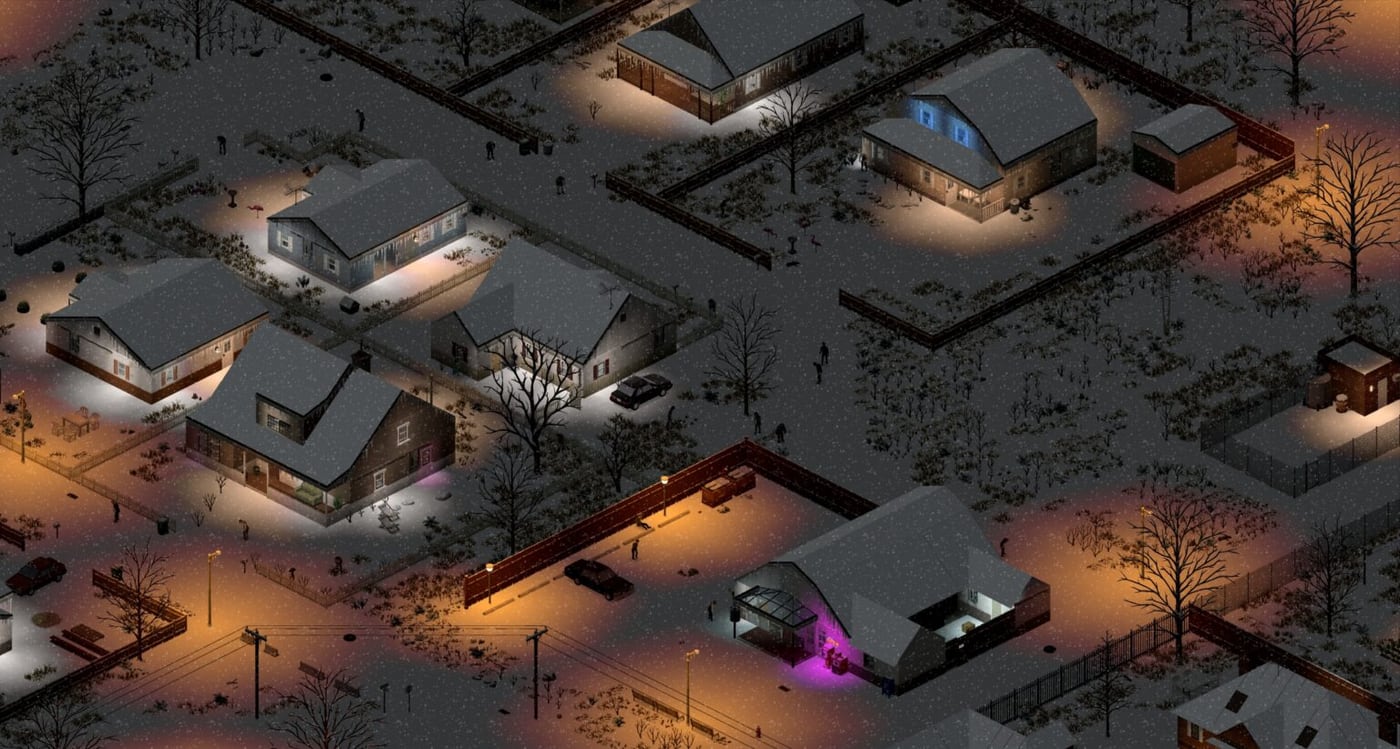
The first week in Project Zomboid separates players who react from players who plan. Build 42 Early Access still uses timed utility shutdown, rising loot pressure as you exhaust nearby houses, and random world events that punish noise. This guide assigns concrete goals for each day from spawn through day seven, with adjustments for online co-op groups sharing one base.
If you have not secured day zero basics, read Getting Started first. This page assumes you have a barricaded safe house, a bag, a melee weapon, and some food.
Day 1: Foundation and water banking
Finish clearing your chosen building or relocate if the neighborhood density was misjudged. Priority tasks:
- Fill every bottle, cooking pot, and bucket from sinks and tubs while water runs.
- Loot adjacent houses quietly for non-perishable food, bandages, and extra bags.
- Barricade all ground-floor windows except your planned exit.
- Place one sheet rope from an upper window if you sleep upstairs.
Co-op: one player loots while another holds the stairwell. Share water containers so no single death wipes the supply.
Day 2: Tools and medical depth
Expand one block outward toward a hardware store or large warehouse. Target hammer, nails, saws, screwdrivers, and a second weapon with higher durability. Visit a medical clinic or pharmacy for bandages, disinfectant, suture needles, and painkillers.
Practice Combat Basics on stragglers during the return trip-doorway fighting only. Note where car spawns cluster; you are not repairing vehicles yet, but keys and gas matter later.
Day 3: Clothing, repair, and inventory
Zombies scratch through thin clothing. Upgrade to leather or denim jackets, sturdy pants, and good shoes if found. Pick up thread, needles, and scissors for repair. Organize main base storage: food shelf, medical drawer, weapon corner, junk crate for disassembly.
If you took Organized or chose a strong occupation kit, build container efficiency now before loot volume explodes. Review Beginner Builds if encumbrance slows every trip.
Day 4: Cooking and preservation
Raw food wastes mood and can poison you. Secure a pot, can opener, and cooking surface (stove while gas runs, campfire later). Cook perishable meat and vegetables before they rot. Learn simple recipes-soups stretch ingredients and improve mood.
Start a small farming plot if you found seeds and a shovel; even four tiles of cabbage beats risking runs for one carrot. Farming pays off after week two but planting early uses free daylight.
Day 5: Power awareness and lighting
Electrical skill is not required yet, but understand that Water and Power Shutoff approaches on a sandbox timer-often between days 7 and 30, with 14 as a common default. Identify a generator location for later, stock gas cans if you find them, and gather flashlights and batteries.
Do not run a generator in residential areas until you understand noise attraction. For now, battery flashlights and candles suffice indoors.
Day 6: Vehicle scouting and remote loot
Walk or carefully drive a found car to mark distant loot hubs: big warehouses, farming supply stores, and gun shops if population settings allow. Your local neighborhood is thinning; week two requires range.
Before long trips, eat high-calorie food, carry water, and set a return time before exhaustion. Co-op groups should take two vehicles or one vehicle plus a backup walker who can fetch fuel.
Day 7: Consolidate and prepare for events
Use day seven to finish unfinished threads rather than start new mega-projects:
- Confirm at least three days of food and a week of water stored (more if shutoff is early).
- Double-check barricades and an escape rope.
- Stash a spare weapon and full set of clothes in a hidden crate outside main base-insurance against one catastrophic breach.
- Read Helicopter Event before your first major outdoor loot day in week two.
Run a quiet perimeter check. Kill stragglers near doors so they do not stack during a future siren or helicopter pass.
Weekly habits that carry forward
Noise budget: Every gunshot, car horn, and smashing window registers. Melee with shove-stomp saves durability and volume until you are ready to fight hordes.
Sleep debt: Exhaustion raises panic. Sleep before ambitious loot chains.
Mood management: Boredom and unhappiness reduce efficiency. Read skill books when found, keep varied food, and avoid blood-soaked clothing longer than necessary.
Skill growth: Use weapons you want to level. Carry a damaged bat and repair it to raise maintenance. Forage bushes for berries to raise foraging cautiously-food poisoning hurts more than hunger in week one.
Co-op week-one coordination
Assign rotating roles daily so skills spread: who cooks, who carpenters, who drives. Shared wall storage beats private stashes. If one player dies, the group should have redundant keys to the same car and a secondary rally point marked on the map.
Online latency makes precise shove timing harder; co-op fighters should leave wider spacing and avoid doorway jams with three bodies.
When the first week goes wrong
Death happens. If you wipe, note the failure mode: thirst after shutoff, bite during a panic sprint, or helicopter-led horde. Adjust one variable-traits from Traits Tier List, shutoff timer, or event prep-on the next spawn.
Early Access patches can shift loot and recipes; verify that critical tools still spawn where this guide expects if you return after a major Build 42 update.
After week one
Week two opens long-range loot, generator setup, safe farming expansion, and firearm reliance. Keep Combat Basics techniques as default even after you find guns-ammo noise draws what bullets cannot stop.
Once the neighborhood thins, add rural loops: Foraging for plants and materials, Fishing after you secure a quiet shoreline, and Stealth and Noise habits before denser loot routes. Pair cooking practice with Food Preservation so surplus fish and foraged food survive shutoff.
The first week is not about building a fortress; it is about storing water, learning spacing, and not losing momentum to a single unplanned night run.
Frequently Asked Questions
Quick answers to the most common questions.
How much water should I store by day seven?
Aim for at least a week of drinking water per survivor, more if your sandbox shutoff timer is short. See Water and Power Shutoff for timing details.
When should I start using guns in week one?
Melee stays default through week one unless a situation forces a shot. Gunfire attracts zombies and wastes scarce ammo early-master Combat Basics first.
Is day-by-day planning necessary in co-op?
Shared goals prevent duplicated loot runs and idle players. Assign daily roles and keep one consolidated base per Getting Started co-op notes.
What is the biggest week-one mistake?
Ignoring water storage while sinks still work. Municipal shutoff ends easy hydration instantly if you have no bottles or rain collection ready.