Project Zomboid Knox County Map Guide
Towns, routes, and where to go first in Build 42 Early Access
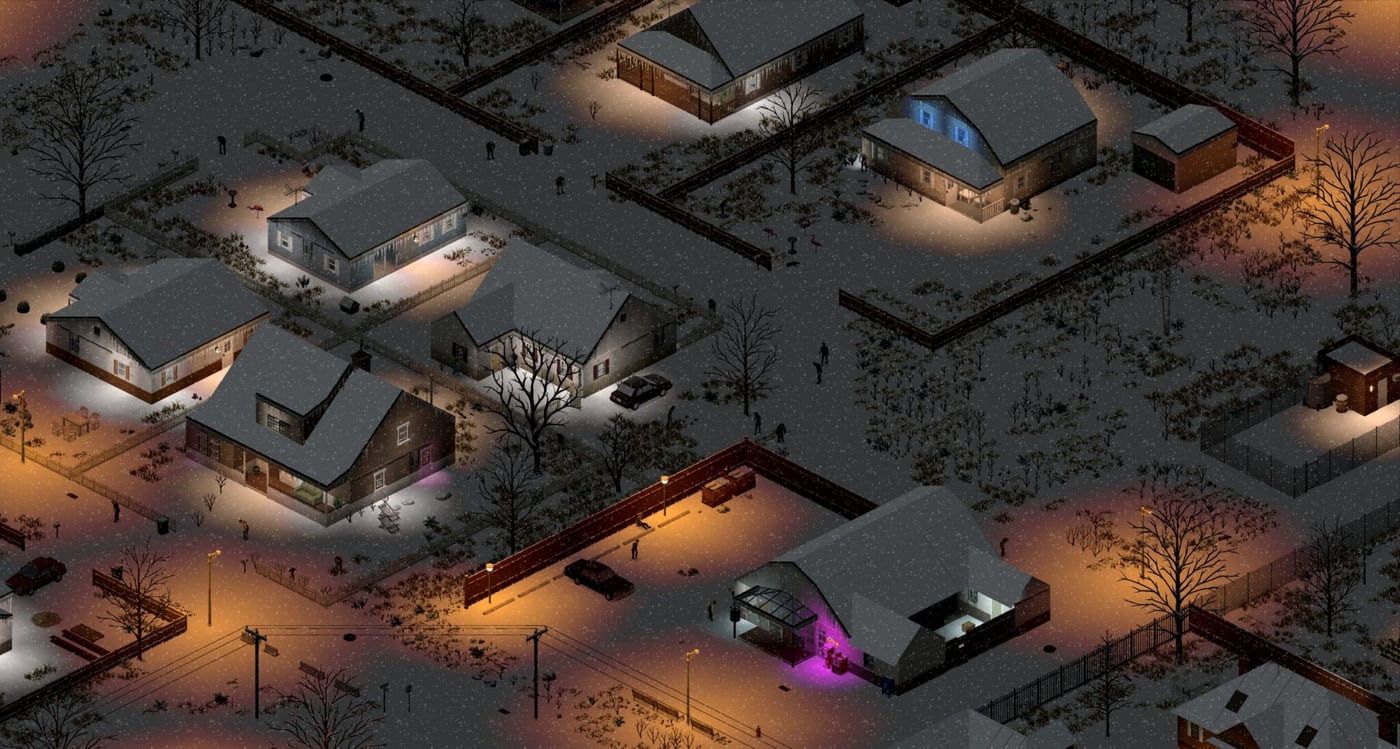
Project Zomboid’s Knox County is a large, interconnected map where every road, warehouse, and suburban cul-de-sac can save or end a run. In Build 42 Early Access, the world feels denser than ever: Louisville looms as an endgame city, rural farms support animals and crops, and smaller towns still offer the quiet loot loops that carry a first week. This hub collects practical map knowledge so you spend less time wandering and more time building a sustainable life before the horde catches up.
Why the map matters in Build 42
Survival in Project Zomboid is rarely about a single perfect fight. It is about where you are when water shuts off, when winter arrives, or when a helicopter event pulls hundreds of zombies toward your street. Knox County is designed so that distance has a cost: fuel, fatigue, vehicle condition, and exposure all scale with travel. A survivor who understands town layouts, highway links, and loot density can plan a route that feeds carpentry, mechanics, and farming without repeatedly crossing the most infected zones.
Build 42 Early Access also pushes players toward longer timelines. Animals, expanded crafting, and heavier base projects reward settling near resources that match your build. That makes map literacy as important as combat skill. Before you commit to a safehouse, read how each region differs in danger, loot type, and escape options.
Regions at a glance
Knox County spans multiple towns linked by highways and back roads. Each settlement has a distinct loot profile and zombie pressure:
- Muldraugh - Central, flat, and familiar to veterans. Excellent for learning navigation and early foraging. See the full breakdown in Muldraugh and Knox towns.
- West Point - Higher population density and strong military-adjacent loot, but noticeably tougher early on.
- Rosewood - Suburban sprawl with clinics, schools, and steady household supplies.
- Riverside - Wealthier lakeside properties and larger homes; good for storage-heavy bases.
- Louisville - Massive urban sprawl with top-tier loot, skyscrapers, and extreme risk. Treat it as a late-game expedition, not a day-one home. Full district guide: Louisville.
- Brandenburg, Ekron, and Irvington - Build 42.20 additions with fresh loot loops and lower early pressure than Louisville. Good staging towns before a skyline run.
- March Ridge - Smaller pocket that works as a low-profile staging area when you want to avoid main-road traffic.
- Echo Creek - Tiny farm town on Kentucky 60 with Guns Unlimited off Main Street. Pair with March Ridge apartments on Echo Creek and March Ridge.
- Louisville border checkpoints - Sledge or weld from Valley Station; city-side gates. See Military Checkpoints.
Use starting locations to match your spawn point with these regions. A character who spawns near Rosewood should not copy a Riverside loot plan on day one.
Planning loot routes instead of random scavenging
Random house-to-house looting burns time and raises infection risk. Effective players run routes: defined paths that hit hardware stores, gas stations, medical cabinets, and vehicle spawns in a logical order, then return before nightfall or rain. Our loot routes page lists Build 42 Early Access loops for early, mid, and late game, including when to pivot toward farms and warehouses.
Pair route planning with broader survival goals from getting started and first week priorities. If your route assumes running water or grid power, check water and power shutoff timing so you are not caught miles from base with empty bottles and a dead flashlight.
Travel, vehicles, and map safety
On foot, stick to tree lines and fence gaps rather than main streets when possible. Zombies hear engines and gunfire across long distances in Build 42, so driving every trip is not always safer-it announces you. When you do drive, know where mechanics shops and gas stations cluster; our vehicles and mechanics guide covers repairs once you find a workable car, and Vehicles, Driving, and Hotwire covers keys, ignition, and dead batteries.
Weather and visibility matter on the map. Fog and rain reduce sight lines but also slow zombies slightly; snow increases calorie burn and makes noise travel differently. Plan return trips before conditions shift, especially if you are hauling generators, animal feed, or sheet metal for a base project.
How map choices connect to base and skills
Your map decision is really a base decision. Riverside mansions offer space but attract attention; Muldraugh warehouses sit near distribution loot but feel exposed. Read safehouse selection before barricading doors. If you want crops and chickens, factor in farmland access-farming and animals explains Build 42 husbandry near rural roads.
Skills also push you toward specific map pins. Carpentry runs burn wood and nails from construction sites; carpentry leveling lists where to find materials efficiently. For a structured trait and profession plan tied to your spawn, use the character planner and compare with beginner builds.
Multiplayer and shared map knowledge
In online co-op, agree on a shared loot language: who clears which block, which town is “quiet loot only,” and where the fallback rally point is if someone dies far from base. Knox County is large enough that two players can waste real-time hours duplicating the same pharmacy run unless routes are coordinated.
Mark mentally (or on paper) bridge choke points and highway exits. Louisville’s outskirts punish groups that enter without a retreat lane. Smaller towns reward pairs: one watches the street while the other loots interiors quickly.
Recommended reading order
New survivors should follow this path through the map section:
- Starting locations - align spawn with skill goals.
- Towns overview - learn loot and danger by settlement.
- Louisville - late-game skyline expeditions and district risk.
- Basements and new POIs - Build 42.20 underground loot and exploration targets.
- Loot routes - replace random scavenging with loops.
- Brandenburg, Ekron, and Irvington - western glow-up towns and shopping loops.
- Interactive Map - community zoom maps, floors, and basement layers.
- Echo Creek and March Ridge - western farms versus gated military suburb and annotated-map trips.
- Military Checkpoints - Louisville fence, tents, and why Dixie Camp is a siege.
Then cross into early loot priorities and base planning when you are ready to stop living out of a backpack.
Build 42 Early Access map notes
The game remains in Early Access; road layouts, building interiors, and loot tables can shift between builds. Build 42’s animal systems and expanded crafting make rural properties more valuable than in older branches, while Louisville still represents the highest-risk, highest-reward space on the map—with Brandenburg, Ekron, and Irvington offering lower-pressure alternatives until you are ready for skyscraper districts. The 42.20 glow-up added hundreds of basements and new POIs—orphanages, prisons, scout camps, and more—detailed in basements and POIs. Treat every guide as a framework: verify hot loot spots in your own save, note zombie migration after meta events, and adjust routes when the community confirms patch changes.
Knox County rewards patience. Learn the map once, and every future character starts with an unfair advantage.
Frequently Asked Questions
Quick answers to the most common questions.
What is the best town for beginners in Build 42?
Muldraugh and Rosewood are the most forgiving for new survivors: flat terrain, spread-out zombies, and steady household loot. West Point and Louisville hit harder early. Match your choice to spawn via starting locations.
When should I loot Louisville?
Treat Louisville as a late Early Access expedition after you have weapons, a vehicle, meds, and an exit plan. Read Louisville for skyscraper districts and retreat lanes; until then, use smaller-town loot routes to build skills and base stock.
Does the map differ in multiplayer?
The Knox County layout is the same online, but zombie migration and noise from other players change risk. Coordinate routes and a rally point so teammates do not duplicate runs or lead hordes to your safehouse.
How do loot routes save time?
Routes chain high-value buildings in order-hardware, food, medical, fuel-so each trip has a clear start and end. Random scavenging wastes daylight and raises bite risk; see loot routes for Build 42 loops.
Where is the Project Zomboid interactive map?
Start with the community sites listed on Interactive Map. Confirm Build 42.20 tiles before you trust a warehouse pin.
Where are Echo Creek, March Ridge, and Louisville checkpoints?
See Echo Creek and March Ridge for farms, Guns Unlimited, and apartments. Stash paper is on Annotated Maps. Fence entry is on Military Checkpoints.